

Call Us Toll Free+1 114-121-1239

Packaging is more than just wrapping a product. It protects the item, communicates brand value, and plays a major role in purchasing decisions. In today's competitive market, understanding the different types of packaging helps businesses choose solutions that support both product performance and brand visibility.
This guide explains the main types of packaging in a simple, practical way, helping you understand which packaging type works best for different products and use cases.
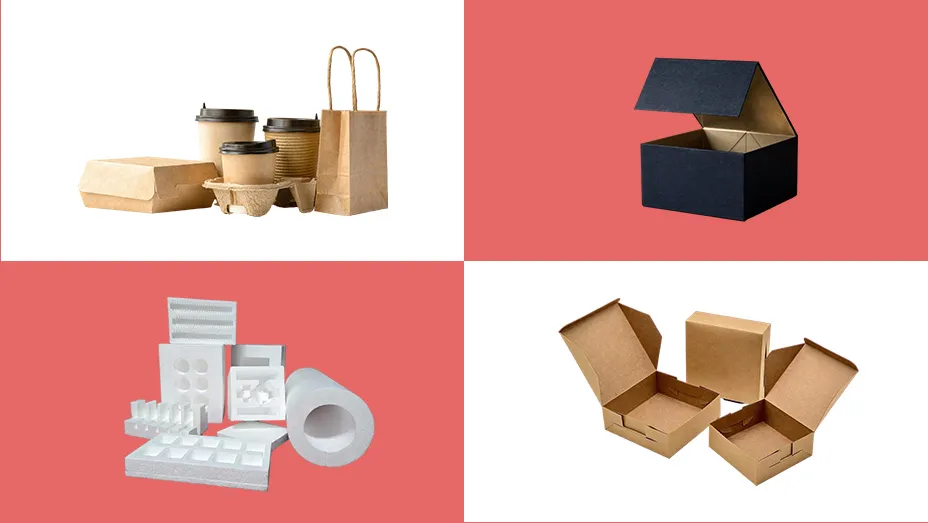
At a broad level, packaging is categorized by function and use. Each type serves a specific role, from protecting the product to improving handling and presentation.
The three main levels of packaging are:
Primary packaging comes into direct contact with the product. Secondary packaging groups multiple products together, while tertiary packaging is used for bulk handling, storage, and transportation.
Packaging material plays a critical role in how a product is protected, stored, transported, and perceived by customers. The choice of material directly affects durability, shelf life, cost efficiency, sustainability, and overall brand presentation. Different products require different materials based on their physical properties and usage conditions.
Below are the most commonly used types of packaging materials, along with their practical applications.
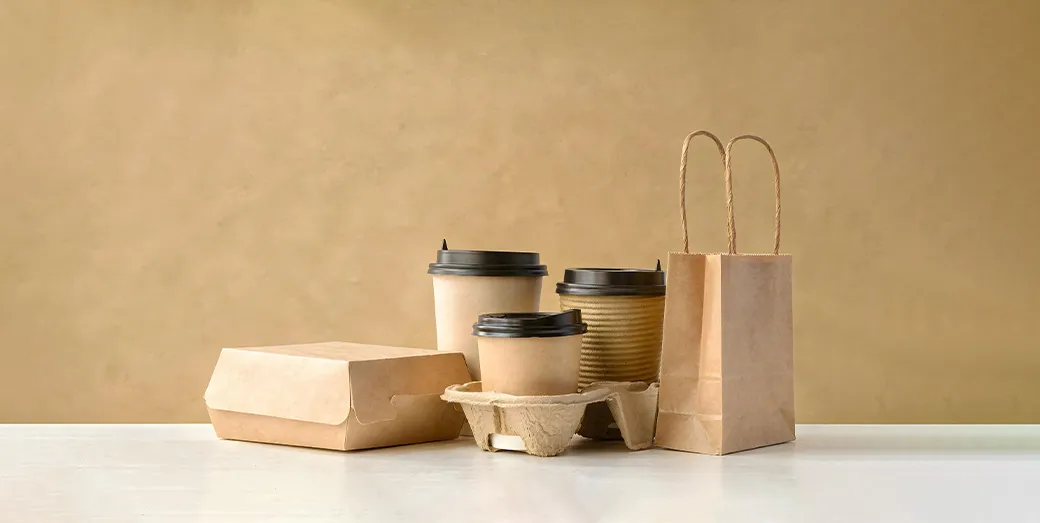
Paper and cardboard are among the most widely used packaging materials across industries. They are lightweight, easy to customize, and suitable for high-quality printing. Cardboard packaging is commonly used for retail boxes, folding cartons, product sleeves, and shipping cartons.
This type of packaging is ideal for products that require structured support without excessive weight. Paper-based materials are also popular for brands focusing on recyclability and cost-effective packaging solutions.
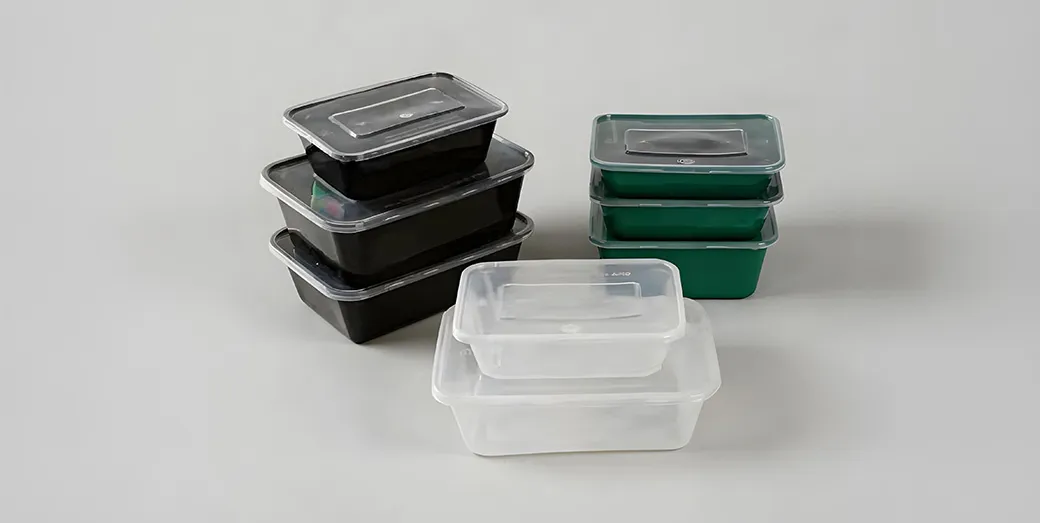
Plastic packaging is valued for its flexibility, durability, and resistance to moisture and contamination. It is commonly used for food products, consumer goods, and retail items where protection from air and humidity is important.
Plastic packaging includes bags, films, pouches, and molded containers. Its versatility allows it to be shaped into various forms while maintaining product visibility and customer convenience.
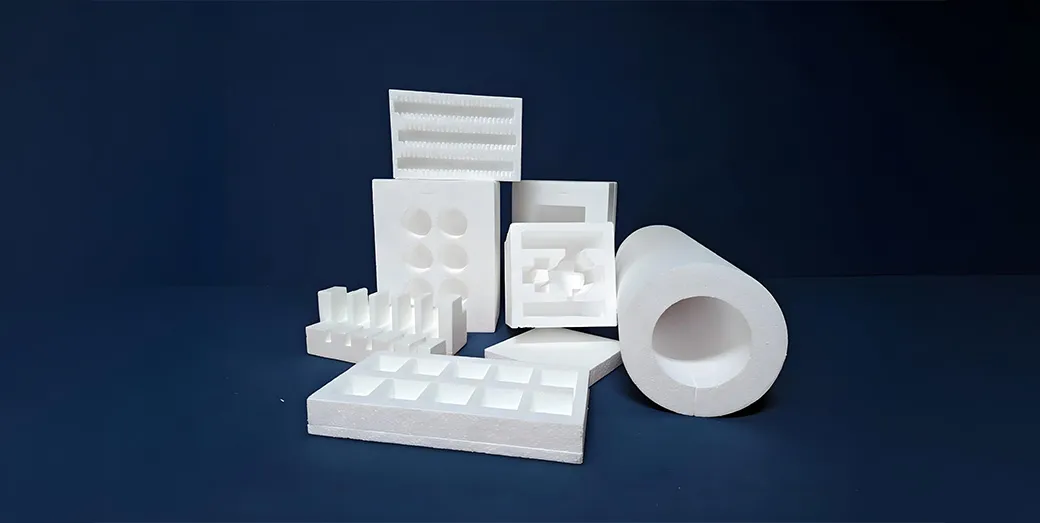
Foam packaging is primarily used for cushioning and shock absorption. It helps protect fragile and sensitive products from damage during handling and transportation.
This type of packaging material is commonly used for electronics, glass items, and precision products that require impact resistance. Foam inserts also help keep products securely positioned inside boxes.
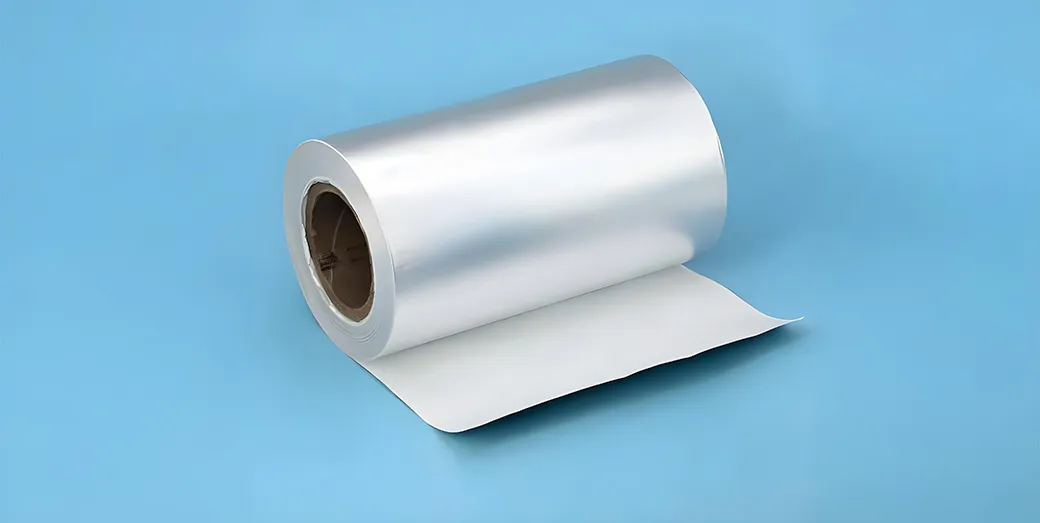
Foil and laminated materials provide strong barrier protection against light, oxygen, and moisture. These materials are often used in products that require extended shelf life or preservation of freshness.
Laminated packaging combines multiple layers of materials to improve strength and performance, making it suitable for both food and specialty products.
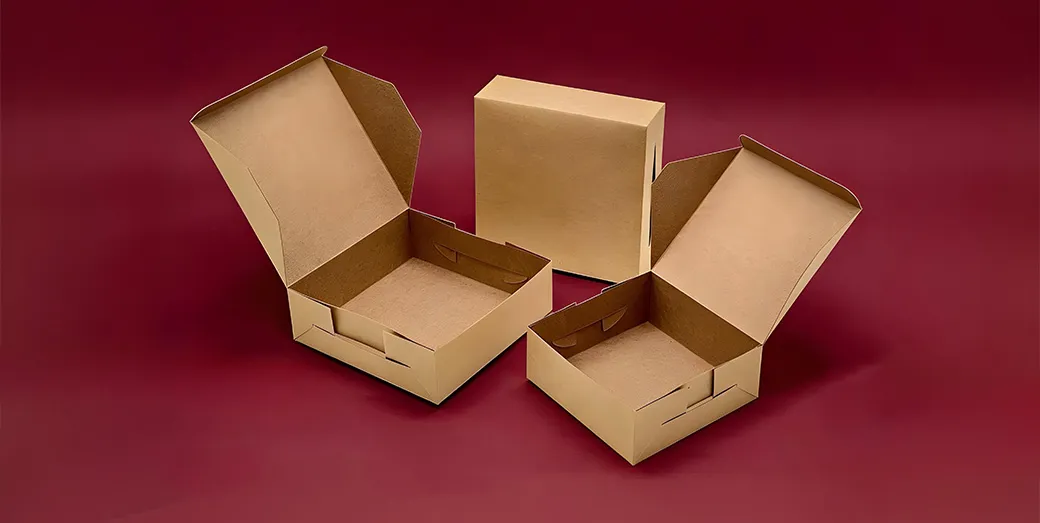
Kraft packaging is known for its natural appearance and strength. It is widely used by brands seeking an eco-friendly, minimalist packaging look.
Kraft materials are commonly used for boxes, bags, and wraps, offering a balance between durability and environmental responsibility.
Sustainable packaging materials are designed to reduce environmental impact. These include recyclable paper-based materials, biodegradable plastics, and compostable packaging solutions.
Many businesses now prefer sustainable packaging to meet environmental regulations and respond to growing consumer demand for responsible packaging practices.
Choosing the right packaging material ensures product safety, improves shelf appeal, and supports efficient storage and shipping. Material selection also affects cost, branding flexibility, and sustainability goals.
Understanding the different types of packaging by material helps businesses make informed decisions that balance protection, performance, and presentation.
Packaging structure refers to the physical shape, form, and construction of the package. Structural design determines how the packaging holds the product, how it performs during storage and transportation, and how it appears on retail shelves. Different structural packaging types are used based on product weight, handling requirements, and presentation goals.
Understanding the types of packaging by structure helps businesses choose packaging that balances protection, usability, and visual impact.
Box packaging is one of the most commonly used and versatile packaging structures. It provides solid protection, easy stacking, and strong branding surfaces. Box packaging includes folding cartons, rigid boxes, and corrugated boxes, each designed for different levels of strength and presentation.
Folding cartons are typically used for lightweight retail products and are easy to assemble and store. Corrugated boxes offer added durability and are widely used for shipping and transportation. Rigid boxes are often chosen for premium products where presentation and structural stability are essential.
Box packaging is suitable for both retail display and logistics, making it a reliable choice across many industries.
Flexible packaging is designed to adapt to the shape of the product while remaining lightweight and space-efficient. This type of packaging includes pouches, sachets, wraps, and plastic bags.
Because flexible packaging uses less material and occupies less storage space, it is often considered a cost-effective solution. It is commonly used for consumer goods, food products, and retail items where convenience and efficiency are important.
Flexible packaging also allows for various sealing options and modern printing techniques, making it both functional and visually appealing.
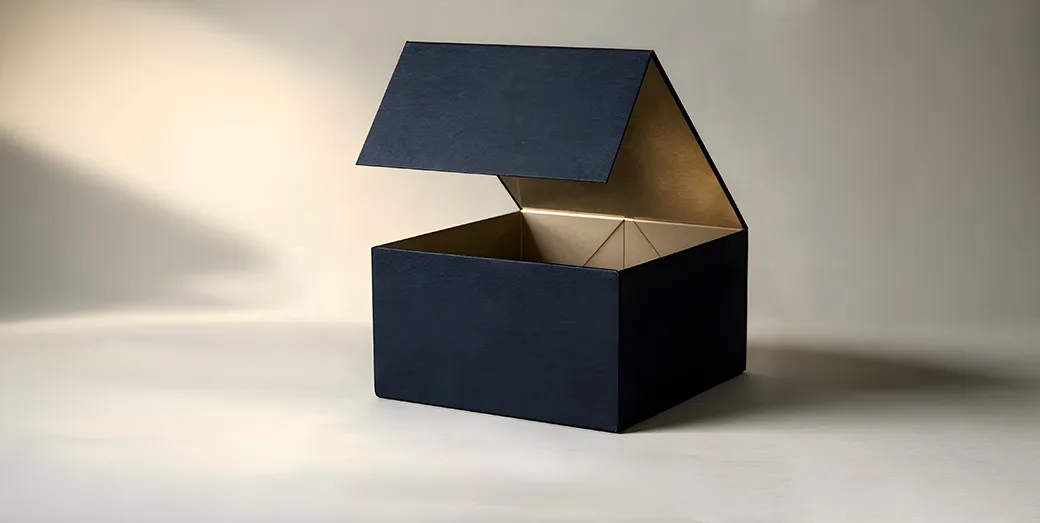
Rigid packaging maintains its shape regardless of external pressure. It provides strong structural support and is commonly used for high-value or fragile products that require extra protection.
This type of packaging is often associated with premium branding, as it enhances product presentation and perceived quality. Rigid packaging is used for items that benefit from stability, durability, and a high-end unboxing experience.
Some packaging structures are specifically designed to provide additional protection during handling and transport. These structures may include reinforced edges, inserts, dividers, or layered construction.
Protective structural packaging helps reduce product movement, prevent damage, and ensure items arrive in proper condition, especially during shipping and distribution.
The right packaging structure improves product safety, simplifies storage, and enhances shelf presentation. Structural design also affects assembly time, shipping efficiency, and overall packaging performance.
Choosing the appropriate structure ensures that packaging not only looks good but also performs effectively throughout the supply chain.
One of the primary purposes of packaging is to protect products. Different products face different risks during storage and transportation, which is why protective packaging solutions are important.
Protective packaging may include inserts, cushioning materials, reinforced structures, and secure sealing methods. These elements help reduce damage and maintain product integrity.
In marketing and retail environments, packaging is more than just a protective layer. It acts as a communication tool that influences how customers perceive a product before they make a purchasing decision. The right packaging design can attract attention, communicate value, and create trust at the point of sale.
Understanding the types of packaging used in marketing and retail helps brands improve visibility, strengthen recognition, and increase customer engagement.
Retail packaging is designed to present the product clearly while reflecting the brand's identity. It is often the first physical interaction a customer has with a product, making visual appeal and readability extremely important.
Effective retail packaging includes clear branding, product information, and practical design elements that make the product easy to handle and use. Color, typography, and layout all play a role in ensuring the packaging stands out while remaining informative.
Retail packaging also needs to align with shelf requirements, ensuring the product fits well within standard retail displays and maintains a consistent appearance across different store locations.
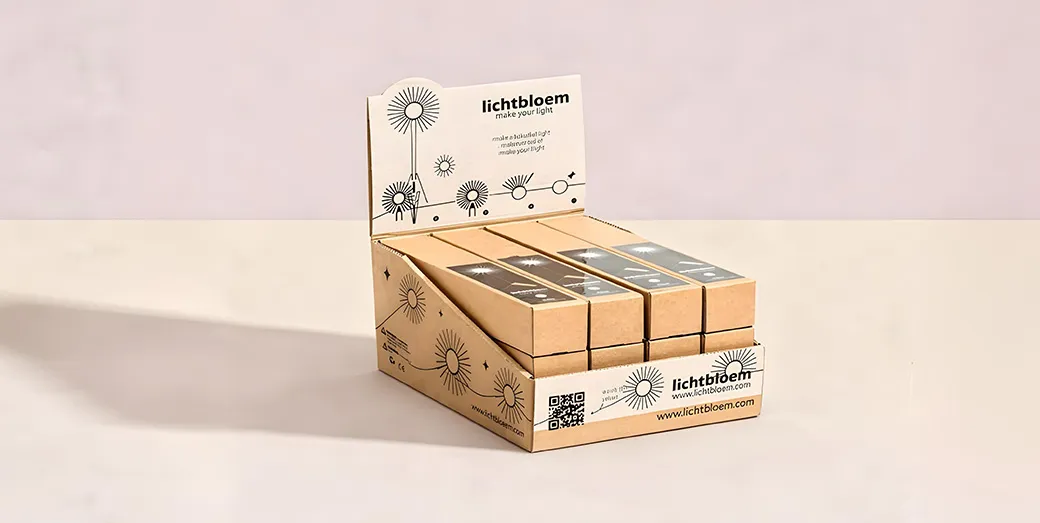
Display packaging is specifically created to enhance product visibility in high-traffic retail areas such as shelves, counters, and checkout zones. Unlike standard retail packaging, display packaging focuses on presentation and accessibility.
This type of packaging is often used for promotions, new product launches, or impulse-purchase items. Display packaging helps group products together, guide customer attention, and encourage quick buying decisions.
By improving product organization and visibility, display packaging supports marketing campaigns directly at the point of sale.
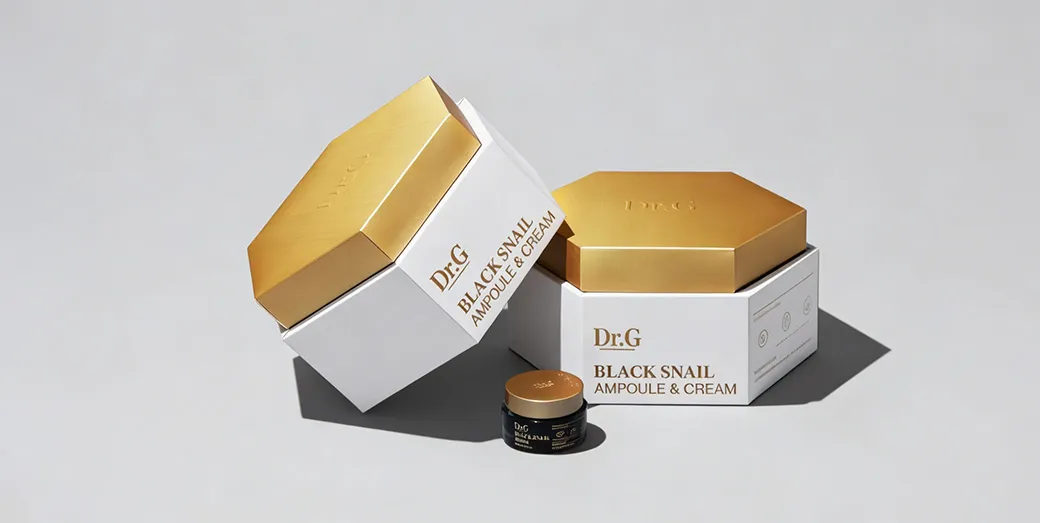
Promotional packaging is used for limited-time offers, seasonal campaigns, or special marketing initiatives. It is designed to highlight offers, discounts, or unique product features without changing the core product packaging.
This type of packaging helps brands attract attention during promotions while maintaining consistency with their overall branding strategy.
Packaging used in marketing and retail directly affects how products compete on the shelf. Well-designed packaging builds brand recognition, improves customer confidence, and supports sales by making products easier to notice and understand.
Choosing the right packaging type ensures that marketing messages are delivered clearly and effectively when customers are ready to buy.
Sustainability has become a major focus in the packaging industry. Sustainable packaging uses materials and processes that reduce environmental impact.
Common types include recyclable packaging, biodegradable materials, and reusable packaging solutions. Sustainable packaging helps brands demonstrate environmental responsibility while meeting customer expectations.
Choosing the right packaging type requires understanding the product, its handling requirements, and the target market. Factors such as durability, cost, presentation, and environmental impact all influence the final decision.
The best packaging solution protects the product, supports branding, and ensures convenience for both retailers and customers.
Understanding the different types of packaging allows businesses to make informed decisions that improve product safety, presentation, and market performance. Packaging should be viewed not just as a container, but as a strategic tool that supports product success and brand growth.
The main types of packaging are primary, secondary, and tertiary. Primary packaging directly holds the product, secondary packaging groups products together, and tertiary packaging is used for storage, handling, and transportation.
The most common packaging materials include paper and cardboard, plastic, foam, foil, and laminated materials. Each material is chosen based on the product's protection needs, shelf life, and presentation requirements.
There is no fixed number, but packaging is generally classified by function, material, structure, and use. These classifications cover a wide range of packaging solutions used across retail, shipping, and marketing.
Flexible packaging adapts to the shape of the product and uses lightweight materials such as films and pouches. Rigid packaging maintains its shape, offers stronger structural support, and is often used for premium or fragile products.
Packaging material selection affects product safety, shelf life, cost, and sustainability. The right material helps protect the product while supporting branding and storage efficiency.
Retail products commonly use boxes, flexible packaging, and display packaging. These packaging types focus on product visibility, branding, and ease of use in retail environments.
Sustainable packaging uses materials and processes that reduce environmental impact. This includes recyclable, biodegradable, and reusable packaging options designed to support environmental responsibility.
Packaging plays a key role in marketing by communicating brand identity, product information, and value. Well-designed packaging helps products stand out on shelves and builds customer trust.
Corrugated boxes and protective packaging materials are commonly used for shipping. These types of packaging provide strength, stability, and protection during transportation and handling.
Yes, packaging can be customized in terms of size, material, structure, and design. Custom packaging helps ensure proper product fit, protection, and brand consistency.
Choosing the right packaging depends on product type, weight, storage conditions, budget, and branding goals. The best packaging solution balances protection, presentation, and efficiency.
Understanding different types of packaging helps businesses improve product safety, reduce costs, enhance branding, and meet customer expectations across retail and distribution channels.
 WhatsApp Us